High Output Management — Grove’s Production System for Managers
A manager’s output is not the hours they personally work. It is the output of the organisation under their influence or control. That single redefinition—Grove’s central move—turns management from a status role into a production problem: identify the limiting step, raise leverage, design the factory of work so the whole system produces more.
Source note: This article is an original practitioner synthesis of themes from Andrew S. Grove’s High Output Management. It is not a reprint of the book. Support the original work if you lead teams, run delivery organisations, design operating rhythms, or coach managers in consulting and technology environments.
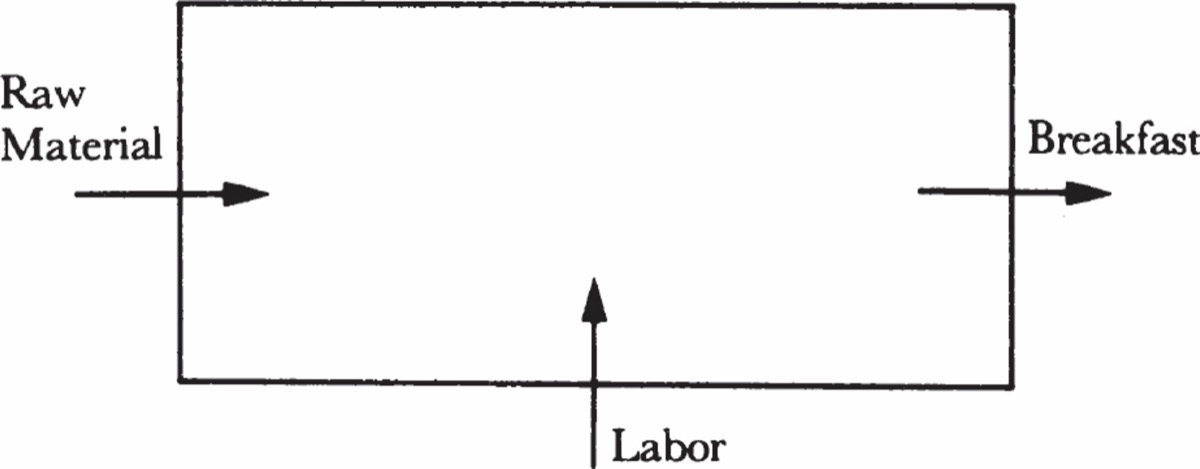
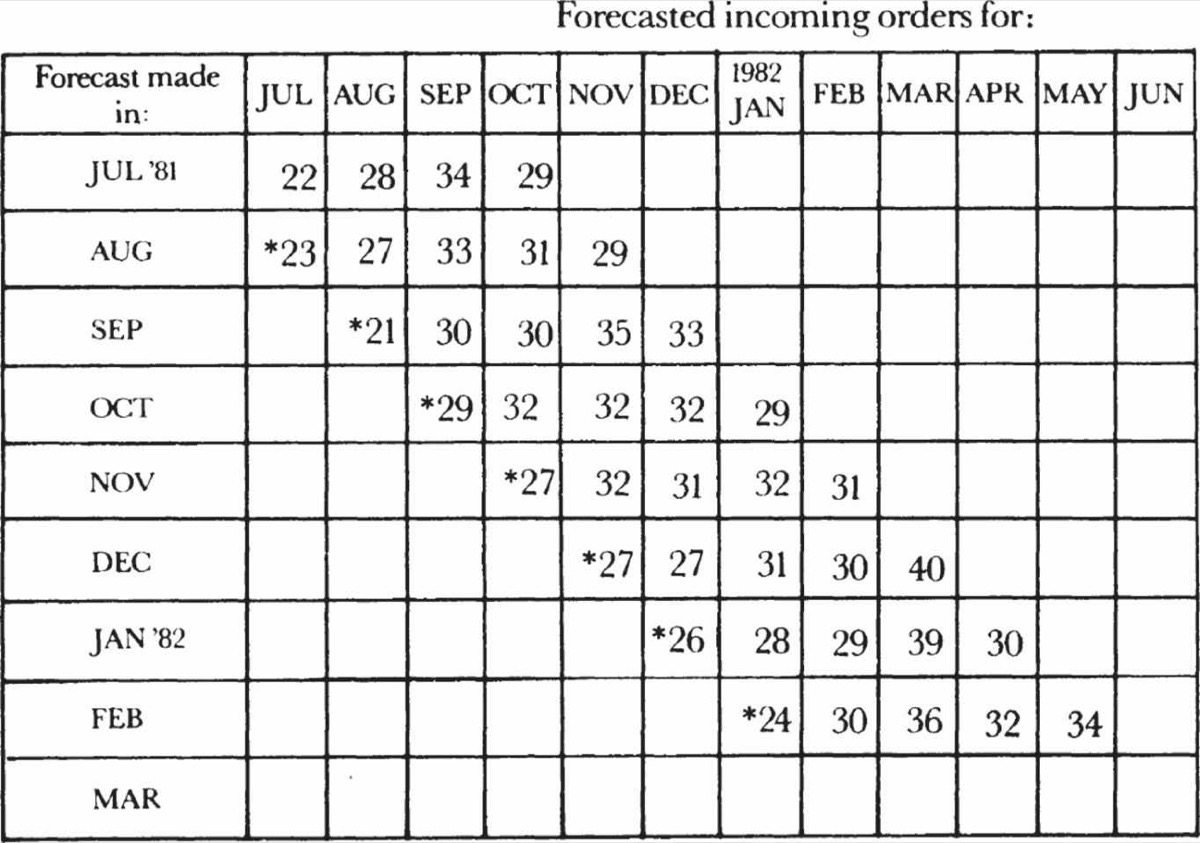
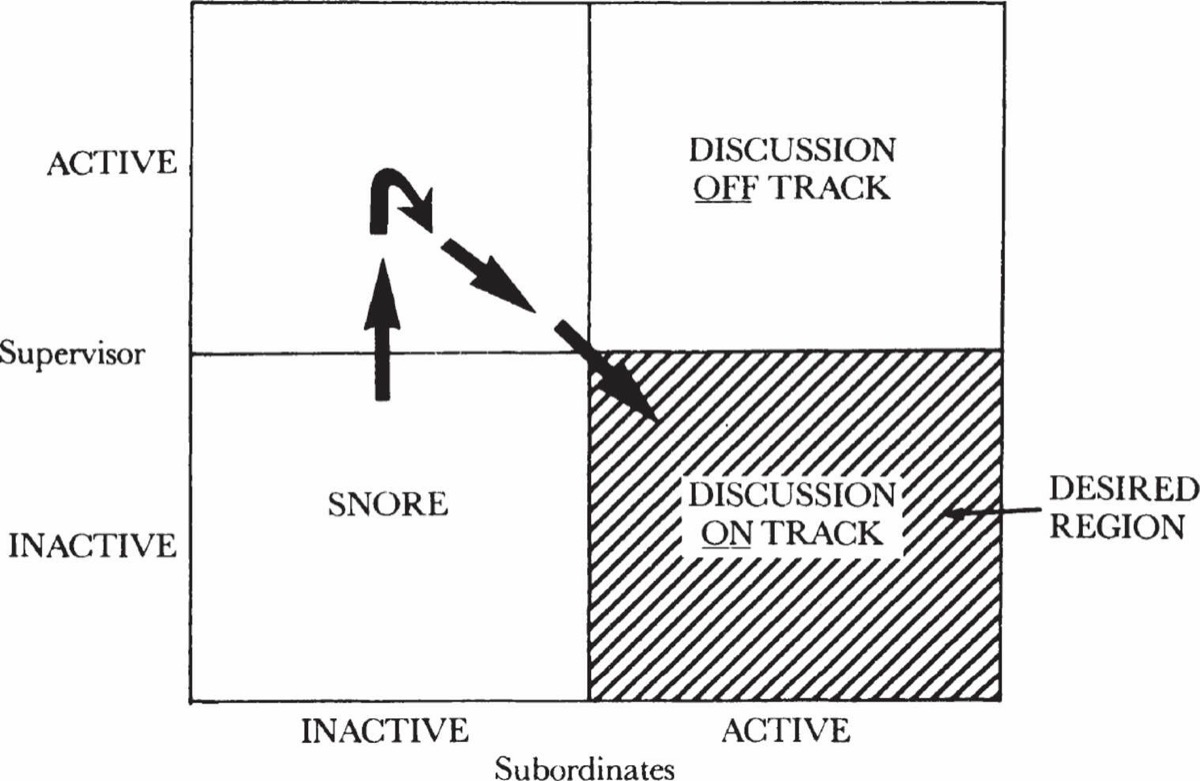
Figure: educational illustrations from Andrew Grove’s High Output Management EPUB.
0. Why this book still matters
Andrew S. Grove co-founded and later ran Intel through eras when semiconductor manufacturing and organisational complexity both exploded. High Output Management is not a memoir of charisma. It is an engineer’s attempt to make management teachable—measurable in spirit even when metrics are imperfect.
The book’s enduring relevance for AI-era consulting and product organisations:
- Knowledge work still has production characteristics (handoffs, scrap, inventory of unfinished work, black-box steps).
- Hybrid matrix structures are now the default, not the exception.
- Meetings remain the nervous system of coordination—and still waste enormous leverage when misused.
- Capability gaps (especially in AI delivery) make Grove’s claim about training urgent again.
Read it as an operating system for managerial work—not as a collection of Intel anecdotes.
1. The breakfast factory: production fundamentals for managers
1.1 Why a breakfast metaphor
Grove opens with a deceptively simple production example: delivering a breakfast (egg, toast, coffee) to a customer on time, at quality, at cost. The point is not hospitality. It is to install a vocabulary managers can reuse for any process—software delivery, proposal production, hiring, month-end close, model evaluation pipelines.
Key production ideas:
| Concept | Meaning in the factory | Meaning in knowledge work |
|---|---|---|
| Input | Eggs, bread, coffee beans | Requirements, data, resumes, briefs |
| Production step | Boil, toast, brew | Build, review, test, approve |
| Output | Completed breakfast | Shipped feature, signed proposal, hired candidate |
| Limiting step | Slowest / hardest constraint | Bottleneck skill, approval, environment |
| Indicator | Temperature, timing cues | Lead time, defect rate, WIP age |
| Inventory | Food waiting | Tickets waiting, draft decks, unmerged PRs |
| Scrap | Burnt toast | Rework, rejected proposals, incidents |
1.2 Find the limiting step
Throughput is governed by the limiting step. Optimising a non-limiting step feels productive and changes little.
Examples:
- If security review is the constraint, hiring more feature developers increases WIP and frustration—not throughput.
- If partner legal is the constraint on deals, more sales activity creates a larger queue of stalled contracts.
- If evaluation/data readiness is the constraint on AI use cases, more model experiments raise scrap.
Managerial craft: detect the constraint, elevate it, subordinate other steps to it, then repeat. (This aligns with theory-of-constraints thinking; Grove’s language is production-practical rather than branded TOC.)
1.3 Indicators: leading vs lagging
Waiting only for final output (customer complaints, quarterly revenue) is managing with a rear-view mirror. Grove emphasises indicators—especially those that detect trouble early.
| Indicator type | Example (factory) | Example (team) |
|---|---|---|
| Lagging | Customer returned cold food | Churn; missed SLA; lost deal |
| In-process | Toast colour at minute 2 | PR cycle time; review queue depth |
| Input quality | Egg freshness check | Brief completeness score |
| Prediction | Peak-hour arrival pattern | Seasonality of RFP load |
Build a small indicator set. Too many metrics recreate noise. Too few recreate blindness.
1.4 Black box vs inspectable steps
Some steps are opaque (a vendor’s internal process; a model’s latent behaviour). Management response:
- Add sampling inspection where full inspection is impossible.
- Contract for interfaces and SLAs, not hope.
- Prefer designs that make quality visible earlier (shift-left testing; evaluation harnesses for AI).
1.5 Variability, peaks, and slack
Breakfast demand spikes at 8:30. Software demand spikes at release and month-end. Strategy without capacity thinking fails.
Options when peaks hit:
- Build capacity for peak (expensive).
- Smooth demand (appointments, intake windows, prioritisation).
- Create flexible labour (cross-training).
- Accept lower service at peaks (explicit trade-off).
Grove’s lesson: do not pretend peaks are surprises. Design for them.
1.6 Practitioner checklist — map your “factory”
- Write the customer-visible output in one sentence.
- List the 5–9 major steps from input to output.
- Mark handoffs (each handoff is a defect opportunity).
- Identify the current limiting step with evidence (queue time, wait time, blocked %).
- Choose 3–5 indicators; assign owners.
- Define what “scrap” means and measure rework.
- Decide peak policy (smooth vs surge capacity).
- Revisit monthly: constraints move.
2. Managerial leverage: the heart of high output
2.1 The output equation (mental model)
Grove’s managerial output can be expressed in spirit as:
Managerial output ≈ (output of organisation) influenced by the manager’s activity × leverage of those activities
High-leverage activities affect many people or affect them for a long time. Low-leverage activities consume the manager without multiplying others.
2.2 High-leverage vs low-leverage examples
| High leverage | Why | Low leverage | Why |
|---|---|---|---|
| Coaching a method used daily | Multiplies forever | Doing one subordinate’s task “just this once” (habitually) | Creates dependency |
| Setting a clear decision process | Speeds hundreds of future choices | Attending every meeting “for visibility” | Dilutes attention |
| Writing a crisp priority note | Aligns whole team | Rewriting slides overnight alone | Heroics; no capability built |
| Killing a doomed project early | Saves many person-months | Endless status collection without decisions | Theatre |
| Training on recurring failure modes | Prevents scrap at scale | Private knowledge hoarding | Bottleneck person |
2.3 Leverage can be negative
A confused priority email, a public blame session, or an unprepared all-hands can reduce organisational output. Managers must treat communication as a high-powered tool—capable of damage.
2.4 Managerial time as factory capacity
Your calendar is a scarce machine. Allocate it like production capacity:
- Reserve blocks for high-leverage work (thinking, coaching, decision prep).
- Batch similar work.
- Defend against fragmentation (context-switching is scrap).
2.5 “Managerial mediation” and information
Much managerial value is information movement: detecting weak signals, translating strategy into tasks, carrying constraints upward. If you are out of the information flow, your leverage collapses—even if you are “busy.”
2.6 Checklist — raise your leverage this week
- List last week’s activities; mark each H / M / L leverage.
- Cut or delegate two L items permanently.
- Schedule two coaching sessions tied to recurring defects.
- Replace one status meeting with an async indicator review + decision slot.
- Write one page that clarifies a repeated confusion (definition of done, intake rules, escalation path).
- Ask: “Whose output did I multiply?” If the answer is only your own, recalibrate.
3. Meetings: the medium of managerial work
3.1 Meetings are not interruptions—they are the work medium
Grove’s provocative stance: for managers, meetings are often where work happens—coordination, decision, information exchange. The goal is not “no meetings.” It is high-leverage meetings.
3.2 Process-oriented vs mission-oriented meetings
| Type | Purpose | Cadence | Failure mode |
|---|---|---|---|
| Process-oriented | Recurring exchange (1:1s, staff, operations) | Regular | Ritual without substance |
| Mission-oriented | Specific decision or problem | Ad hoc | Unclear desired outcome |
Know which you are in. Do not run a mission meeting with process habits (endless updates) or a process meeting as a random brainstorm.
3.3 One-on-ones
1:1s are a high-leverage process meeting when used for:
- Information the manager would not otherwise hear.
- Coaching and career development.
- Early detection of people and project risks.
Guidelines practitioners still use:
- Subordinate owns the agenda (they know what you do not).
- Manager listens more than talks.
- Notes and follow-ups create continuity.
- Frequency scales with task-relevant maturity and instability (more often for new roles / new domains).
3.4 Staff meetings
Staff meetings synchronise peers who share a manager:
- Share indicators and cross-impacts.
- Surface conflicts between teams early.
- Practice decision hygiene in a known group.
Anti-patterns: serial monologues; no decisions; manager as only speaker; surprise public ambushes better handled in 1:1s.
3.5 Operational reviews / business reviews
These inspect the factory: indicators, variances, forecasts. Keep them evidence-based. Opinions are allowed; ungrounded opinions should lose to indicators.
3.6 Mission meetings (decision meetings)
Require:
- A clear question to decide.
- Pre-reads and options.
- Decision rule (who decides; consult vs decide).
- Time-box and explicit close.
- Communication of the decision to absentees.
3.7 Meeting leverage table
| Practice | Effect on leverage |
|---|---|
| Agenda + desired outcome published in advance | Positive |
| Right people only | Positive |
| Decision owner named | Positive |
| Recapping decisions and owners at end | Positive |
| Late invite of optional spectators | Negative |
| Unprepared senior “drive-by” | Negative |
| Using meetings for work best done async | Negative |
3.8 Checklist — meeting hygiene
- Cancel any recurring meeting without a named purpose and indicator link.
- End every mission meeting with: decision / owners / date / how we will know it worked.
- Cap attendees; information observers get notes, not seats.
- Punish lateness gently but consistently (time is the scarce input).
- Review quarterly: which meetings produced decisions vs which produced only slides?
4. Decisions: making them and making them stick
4.1 The decision process
Grove emphasises structured decision-making:
- Free discussion — surface views; fight ideas, not people.
- Clear decision — someone owns the call.
- Full support — even dissenters commit to execute (“disagree and commit” in spirit).
Skipping free discussion creates brittle decisions. Skipping clear ownership creates fog. Skipping support creates passive resistance.
4.2 Who should decide?
Push decisions to the lowest competent level that has adequate information—but ensure escalation paths for cross-cutting trade-offs.
| Situation | Prefer |
|---|---|
| Local, reversible, clear criteria | Individual closest to work |
| Cross-team resource conflict | Manager with span across teams |
| Existential / irreversible bet | Senior leader with explicit consult |
| Specialist technical choice | Technical owner with business constraints named |
4.3 Preferred vs acceptable outputs
In production terms: define what “good” means before debating methods. Many arguments are proxy fights about unstated success criteria.
4.4 Decision checklist
- What question are we deciding—exactly?
- What is reversible vs one-way door?
- What information is missing—and is waiting worth it?
- Who is consulted, who decides, who is informed?
- How will we detect a bad call early?
- What is the communication plan after the decision?
5. Planning: today’s actions for tomorrow’s output
5.1 Planning is not a document ritual
Planning, for Grove, connects environmental demands to present actions. The output of planning is not the plan binder—it is the set of things people do differently on Monday.
5.2 The planning cycle (spirit)
- Establish environmental demand (what the world will require).
- Determine present status (capability, capacity, gaps).
- Close gaps with objectives and key results / actions (the intellectual ancestor of much OKR practice in industry lore).
- Recycle as reality changes.
5.3 Nesting plans
Corporate plans nest into group plans into individual objectives. Broken nesting produces local heroics and global failure—each layer optimising a different game.
5.4 Planning anti-patterns
| Anti-pattern | Symptom | Fix |
|---|---|---|
| Plan as wish list | No resource math | Force capacity reconciliation |
| Plan as archive | Never referenced | Tie to weekly indicators |
| Sandbagging | Easy goals | Calibrate with historical throughput |
| Hero objectives | Depend on one person | Redesign for team output |
| Strategy theatre | Fluff language | Demand production language |
5.5 Planning checklist for a team offsite
- Demand: what must we deliver / become in the next 6–12 months?
- Fact base: throughput, quality, capability gaps, dependencies.
- Limiting steps: name them.
- Objectives: few, output-oriented.
- Key results / milestones: measurable, owned.
- Stops: what we will not do.
- Cadence: monthly plan review against indicators—not against vibes.
6. Hybrid organisations and dual reporting
6.1 Why hybrid exists
Pure functional organisations optimise expertise and create distance from customers. Pure mission (business unit / project) organisations optimise customer outcomes and duplicate scarce expertise.
Hybrid organisations try to get both: mission teams for customer value, functional homes for depth and standards.
6.2 Dual reporting (matrix)
Dual reporting means an individual has responsibilities to more than one boss (e.g., project lead and functional lead). It is awkward—and often necessary.
Success conditions:
- Clear primary vs secondary accountabilities per decision type.
- Explicit conflict-resolution path.
- Shared indicators so bosses are not optimising opposing metrics blindly.
- Mature managers who negotiate in good faith.
6.3 Hybrid design table
| Design choice | Benefit | Cost |
|---|---|---|
| Strong mission, light function | Speed to customer | Standards drift; reinventing |
| Strong function, light mission | Excellence & reuse | Slow response; local politics |
| Balanced dual reporting | Flexibility | Ambiguity; meeting load |
| Centres of excellence + embedded experts | Depth where needed | COE can become ivory tower |
6.4 Consulting / AI delivery application
Common hybrid: client engagement (mission) × capability practice (function: data, ML engineering, change). Dual pressures:
- Engagement manager wants speed and customization.
- Practice lead wants reusable accelerators and quality bars.
Grove’s counsel applied: write down which boss wins on which class of decision (staffing, technical standard, scope trade-off, reuse investment). Do not leave it to personality.
6.5 Dual-reporting checklist
- Name both bosses and the domains each owns.
- Publish escalation for conflicts within 48 hours.
- Align OKRs so one person’s “win” is not another’s “loss” by design.
- Review matrix pain quarterly; simplify where dual reporting is cargo-cult.
7. Modes of control: how organisations steer behaviour
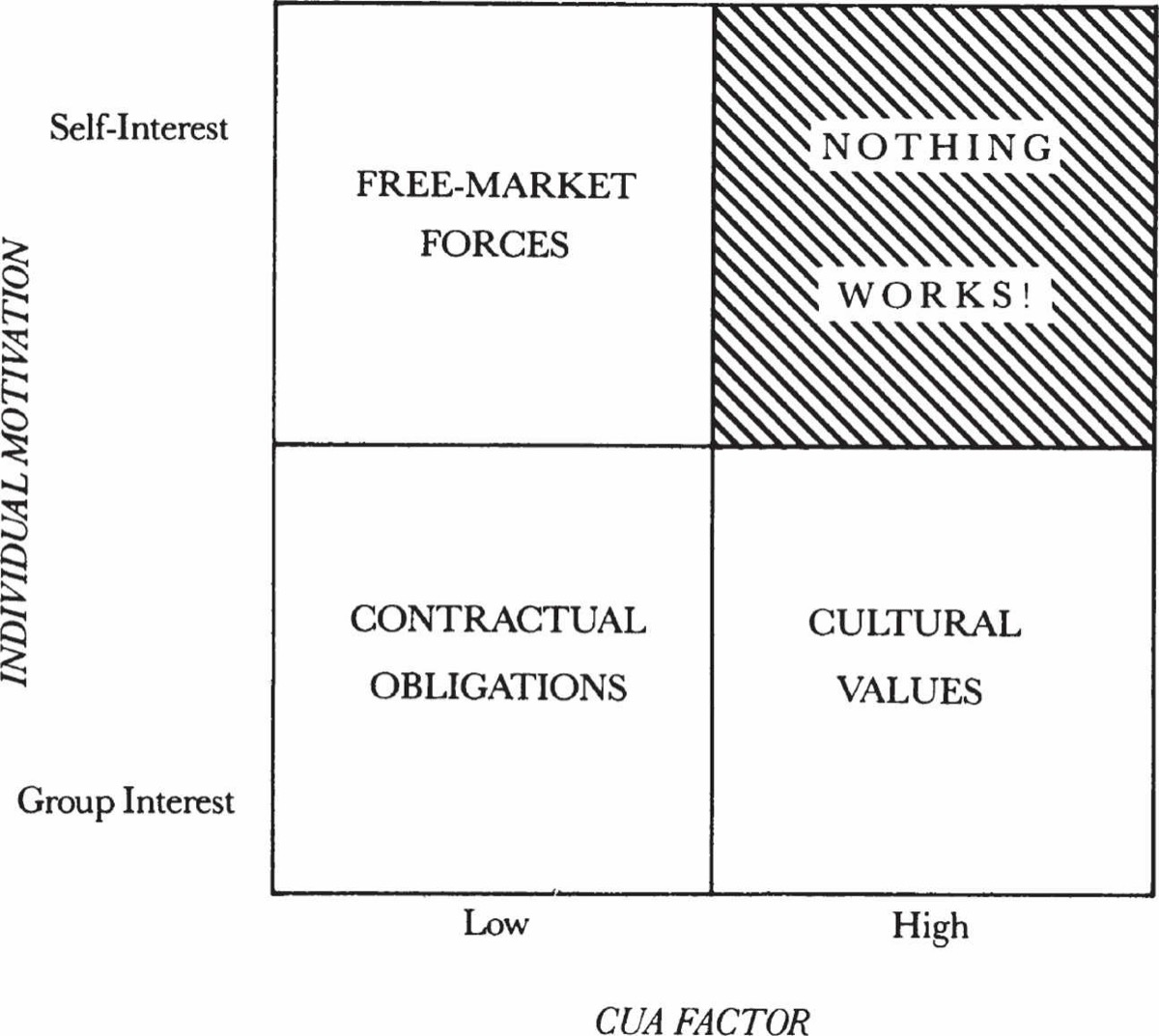
7.1 Three modes (practical reading)
Grove discusses how control works when free-market price signals do not fully operate inside firms:
| Mode | Mechanism | Best when |
|---|---|---|
| Free-market-like | Transfer prices, internal choice | Comparable alternatives exist |
| Contractual | Rules, SLAs, explicit agreements | Expectations can be specified |
| Cultural | Values, norms, peer expectations | Ambiguity high; monitoring costly |
Most teams need a mix. Over-reliance on rules creates bureaucracy. Over-reliance on culture without standards creates chaos. Fake internal markets without real alternatives create cynical theatre.
7.2 Motivation and control
Control is not only surveillance. It is aligning self-interest with organisational interest through incentives, values, and clear contracts of expected behaviour.
7.3 Checklist — diagnose control failure
- Is the desired behaviour unspecified (contract failure)?
- Is it specified but unmeasured (indicator failure)?
- Is it measured but unrewarded / punished (incentive failure)?
- Is it rewarded formally but punished socially (culture conflict)?
- Fix the deepest failure first; adding rules on top of incentive conflict fails.
8. The sports analogy: teams, coaches, and performance
8.1 Manager as coach
Grove likens managerial work to sports coaching: you cannot run the plays for every athlete in real time. You prepare, select, train, motivate, and adjust the system.
Implications:
- Practice (training) matters as much as game day (delivery).
- Feedback is continuous, not annual only.
- Team composition and role clarity beat individual star worship when coordination is the product.
8.2 Task-relevant maturity (TRM)
One of Grove’s most actionable ideas: leadership style should follow the subordinate’s task-relevant maturity for this task—not their general seniority or age.
| TRM level | Characteristics | Managerial approach |
|---|---|---|
| Low | New to task; skills or confidence limited | Structured: clear instructions, frequent follow-up |
| Medium | Partial skill; growing judgement | Coaching: mutual discussion, guided autonomy |
| High | Proven on this task | Delegation: objectives + monitoring, light touch |
Critical nuance: TRM is task-specific. A brilliant architect can be low-TRM on client commercial negotiations. A senior hire can be low-TRM on your stack. Do not manage the résumé; manage the task maturity.
8.3 Switching styles without hypocrisy
Explain the model to the team. When you tighten structure on a new domain, it reads as support—not distrust—if TRM is shared language.
8.4 TRM checklist
- For each direct report, list top 3 task domains.
- Rate TRM per domain (L/M/H) with evidence.
- Match your 1:1 cadence and review depth to the lowest critical TRM that affects output.
- Re-rate after major role changes; TRM drops when context changes.
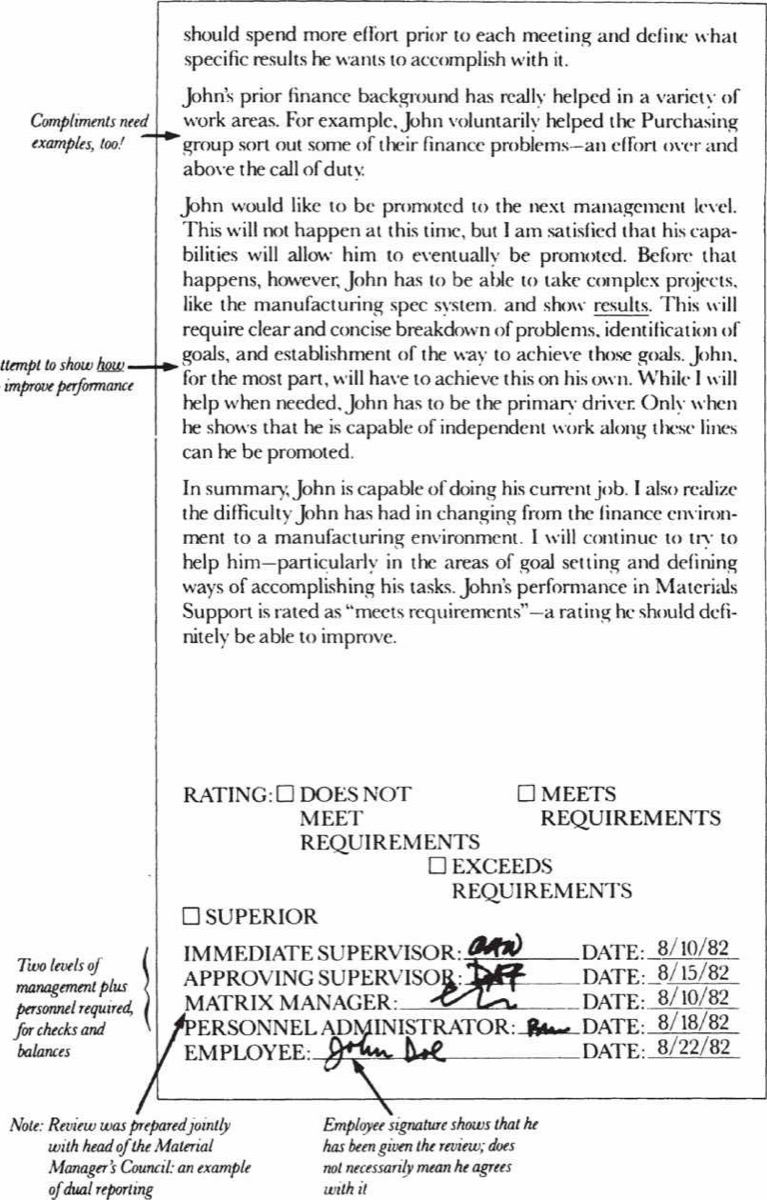
9. Performance appraisal: the hardest high-leverage work
9.1 Why appraisal matters
Performance appraisal is uncomfortable—and high leverage. It allocates rewards, directs improvement, and validates (or corrects) the organisation’s merit signal.
Avoiding candour is managerial negligence dressed as kindness.
9.2 What “good appraisal” requires
| Element | Practice |
|---|---|
| Evidence | Examples tied to output and behaviour |
| Clarity | Separate what happened from personality labels |
| Future focus | Improvement plan with TRM-aware support |
| Fair process | No surprises if 1:1s worked |
| Courage | Deliver hard messages without cruelty |
9.3 Common appraisal failures
- Recency bias (only last month remembered).
- Halo / horns (one trait colours everything).
- Central tendency (everyone “meets expectations”).
- Avoiding the real issue (talking around under-performance).
- Confusing potential with performance.
9.4 Difficult tasks and tough messages
Grove addresses the emotional labour of management: delivering negative assessments, handling emotion, and staying on the message that matters for organisational output.
Practical sequence:
- State the purpose of the conversation.
- Deliver the assessment plainly.
- Listen; allow emotion without abandoning the message.
- Move to specifics and a plan.
- Schedule follow-up; do not “hit and vanish.”
9.5 Appraisal checklist
- Collect evidence across the period (not memory).
- Write the message in plain language before the meeting.
- Separate: performance vs coachability vs role fit.
- Agree 2–3 improvement objectives with indicators.
- Align compensation conversation with the same reality (no mixed signals).
10. Compensation: money as signal and motivator
10.1 Compensation follows performance—ideally
Pay systems teach the organisation what is valued. If compensation drifts from performance reality, appraisal becomes theatre and high performers exit.
10.2 Design tensions
| Tension | Grove-aligned stance |
|---|---|
| Merit vs hierarchy | Prefer performance-linked progression where possible |
| Individual vs team | Reward individual contribution and team output carefully |
| Short-term vs long-term | Avoid only rewarding visible firefighting |
| Market scarcity vs internal equity | Face market reality without abandoning fairness process |
10.3 Compensation checklist
- Can an outsider see a logical link between appraisal and pay outcomes?
- Are “political raises” visible enough to demoralise? If yes, fix governance.
- Do promotions create managers by accident? Separate technical and managerial ladders if needed.
- Are bonuses tied to indicators the person can influence?
11. Training is the boss’s job
11.1 The closing thesis
Grove’s blunt claim: training subordinates is not a luxury delegated to HR alone. It is a primary managerial duty—because managerial output depends on the organisation’s capability.
If your team lacks skill, you can:
- Hire (slow, expensive, still needs onboarding).
- Replace (destructive if overused).
- Train (high leverage when skills are learnable and recurring).
11.2 What managers should teach
| Training type | Example | Leverage |
|---|---|---|
| Task skills | How we write proposals / run evals | Immediate scrap reduction |
| Process skills | Incident response; review standards | System quality |
| Business context | Why this customer buys | Better local decisions |
| Managerial skills | How to run 1:1s | Multiplies future managers |
11.3 Why managers avoid training
- Feels slower than doing it themselves (local vs global optimum).
- Fear of looking less expert.
- No indicator for “capability created.”
- Calendar already eaten by low-leverage work.
Reframe: one hour of training that prevents ten hours of rework is production engineering, not soft work.
11.4 Training operating rhythm
- Identify top recurring defects / scrap causes.
- Design a short training (or paired practice) aimed at that defect.
- Deliver yourself or with a skilled lead—do not outsource blindly.
- Measure: defect rate, cycle time, rework after training.
- Refresh when tools or strategy change (AI stack shifts are continuous training triggers).
11.5 Training checklist
- What skill, if raised across the team, would most increase output?
- Who is low-TRM on that skill and sits on the critical path?
- What is the smallest training that produces behaviour change?
- When will you personally teach or sponsor it?
- What indicator proves it worked?
12. Putting Grove to work in consulting and tech
12.1 Engagement management as a breakfast factory
| Factory element | Consulting analogue |
|---|---|
| Input | Client brief, data access, stakeholders |
| Steps | Discover → analyse → recommend → implement → adopt |
| Limiting step | Often access, decision-maker time, or data quality |
| Scrap | Reworked decks; rejected recommendations; unused assets |
| Inventory | WIP analyses waiting on feedback |
| Indicators | Cycle time to decision; adoption metrics; margin leakage |
12.2 AI delivery factory extras
Add steps: problem framing, data readiness, evaluation design, human-in-the-loop, monitoring. The limiting step is frequently evaluation and operational ownership, not model selection. Raise that constraint; stop decorating non-constraints.
12.3 Managerial leverage for practice leads
High-leverage moves:
- Standard intake and qualification (prevents doomed work).
- Shared accelerators with clear quality bars.
- Training on estimation and risk for new consultants.
- Decision forums for reuse vs custom build.
- Ruthless meeting redesign across pursuits.
12.4 Hybrid org pain in professional services
Dual reporting between account leadership and capability leadership is normal. Apply Section 6 rigorously: written decision rights beat charismatic conflict.
13. Integrated operating system (one-page)
14. Master tables for daily practice
14.1 Weekly manager scorecard
| Domain | Question | Green signal |
|---|---|---|
| Constraint | Do I know this week’s limiting step? | Named with evidence |
| Leverage | Did my time multiply others? | ≥2 high-leverage blocks kept |
| Meetings | Did meetings produce decisions/info? | At least one clear decision artefact |
| People | TRM match on critical tasks? | Style adjusted consciously |
| Development | Did I teach or coach deliberately? | One skill touchpoint delivered |
| Indicators | Did I review leading indicators? | Not only lagging outputs |
14.2 Symptom → Grove fix
| Symptom | Likely cause | First fix |
|---|---|---|
| Team busy, output flat | Wrong constraint targeted | Re-map factory; elevate limiter |
| Manager exhaustion | Low-leverage heroics | Stop doing; start coaching |
| Recurring defects | Training gap | Boss-led training on defect |
| Meeting bloat | Process meetings without purpose | Cancel/rewrite charter |
| Matrix conflict | Dual reporting without rights | Decision-rights one-pager |
| Appraisal shock | No continuous feedback | Fix 1:1s; then formal review |
| High performer exit | Pay/performance unlink | Realign compensation governance |
14.3 New manager 30-day plan
| Days | Focus | Artefacts |
|---|---|---|
| 1–7 | Map the factory; meet each report | Process map; TRM draft |
| 8–14 | Fix meeting hygiene; establish 1:1s | Calendar redesign; agendas |
| 15–21 | Identify limiting step; pick indicators | Constraint memo; dashboard v0 |
| 22–30 | Deliver one training; one hard clarity message | Training note; decision log |
15. Objections and replies
| Objection | Reply |
|---|---|
| “Knowledge work isn’t a factory.” | Handoffs, scrap, and bottlenecks still exist; the metaphor is a lens, not a prison. |
| “I don’t have time to train.” | You are already paying for rework; training is often cheaper. |
| “Dual reporting never works.” | It works poorly when rights are unspoken; make them explicit or simplify the org. |
| “Meetings are toxic.” | Unmanaged meetings are toxic; high-leverage meetings are managerial medium. |
| “TRM sounds controlling.” | Matched structure is respect for reality; one style for all is ideology. |
16. Closing synthesis
High Output Management endures because it refuses mystique. Management is production engineering applied to human systems: find constraints, raise leverage, design information and decision flows, match leadership style to task maturity, tell the truth in appraisals, align pay with reality, and teach.
If you remember only five moves:
- Define output as organisational, not personal.
- Map the factory and elevate the limiting step.
- Spend time only where leverage is real.
- Run meetings and decisions as designed processes.
- Treat training as your job—because capability is throughput.
That is Grove’s production system for managers. Install it deliberately; improve it with indicators; refuse the vanity of busywork.
17. Final practitioner checklist
- Write your team’s customer-visible output in one sentence.
- Identify the limiting step with queue evidence, not opinion.
- Recategorise your calendar by leverage; cut two low-leverage habits.
- Charter each recurring meeting or kill it.
- Publish decision rights for any dual-reporting relationships.
- Rate TRM by task for each direct report; adjust style.
- Prepare one candid performance message you have been avoiding—with evidence.
- Schedule a training you will personally lead against a recurring defect.
- Align one compensation or recognition signal with true performance.
- Review indicators weekly; re-diagnose constraints monthly.
Discussion
Comments
Share feedback or questions about this page. No account required.
Loading comments…