Disruptive Innovation: The Christensen Collection — Dilemma, Solution and Innovator’s DNA
Great firms often fail not because they stop innovating, but because they innovate in the wrong direction for the next wave of customers. Clayton Christensen’s collection—The Innovator’s Dilemma, The Innovator’s Solution, and The Innovator’s DNA—gives a shared language for that failure mode and a playbook for building growth the right way.
Source note: This article is an original practitioner synthesis of themes from Clayton M. Christensen and co-authors across the Disruptive Innovation collection. It is not a reprint. Figures are educational illustrations; support the original books for full case evidence and nuance.
0. Why this collection still matters
“Innovation” is the most abused word in strategy. Christensen’s work gives testable categories: sustaining vs disruptive, value networks, jobs to be done, discovery vs delivery skills. Without the vocabulary, teams label every feature “disruptive” and incumbents copy the wrong moves.
The collection spans three books:
| Book | Core question |
|---|---|
| The Innovator’s Dilemma | Why do great companies fail when they listen to customers? |
| The Innovator’s Solution | How do you create and grow disruptive businesses deliberately? |
| The Innovator’s DNA | What behaviours generate disruptive insight? |
Read Dilemma for diagnosis, Solution for design, DNA for capability building.
1. The Innovator’s Dilemma — central paradox
Figure: The Innovator’s Dilemma—the collection’s diagnostic core (educational cover illustration from the EPUB).
Incumbents listen to their best customers, invest in better performance, and still lose. Listening carefully can be fatal when the next profitable customers want a different performance trajectory.
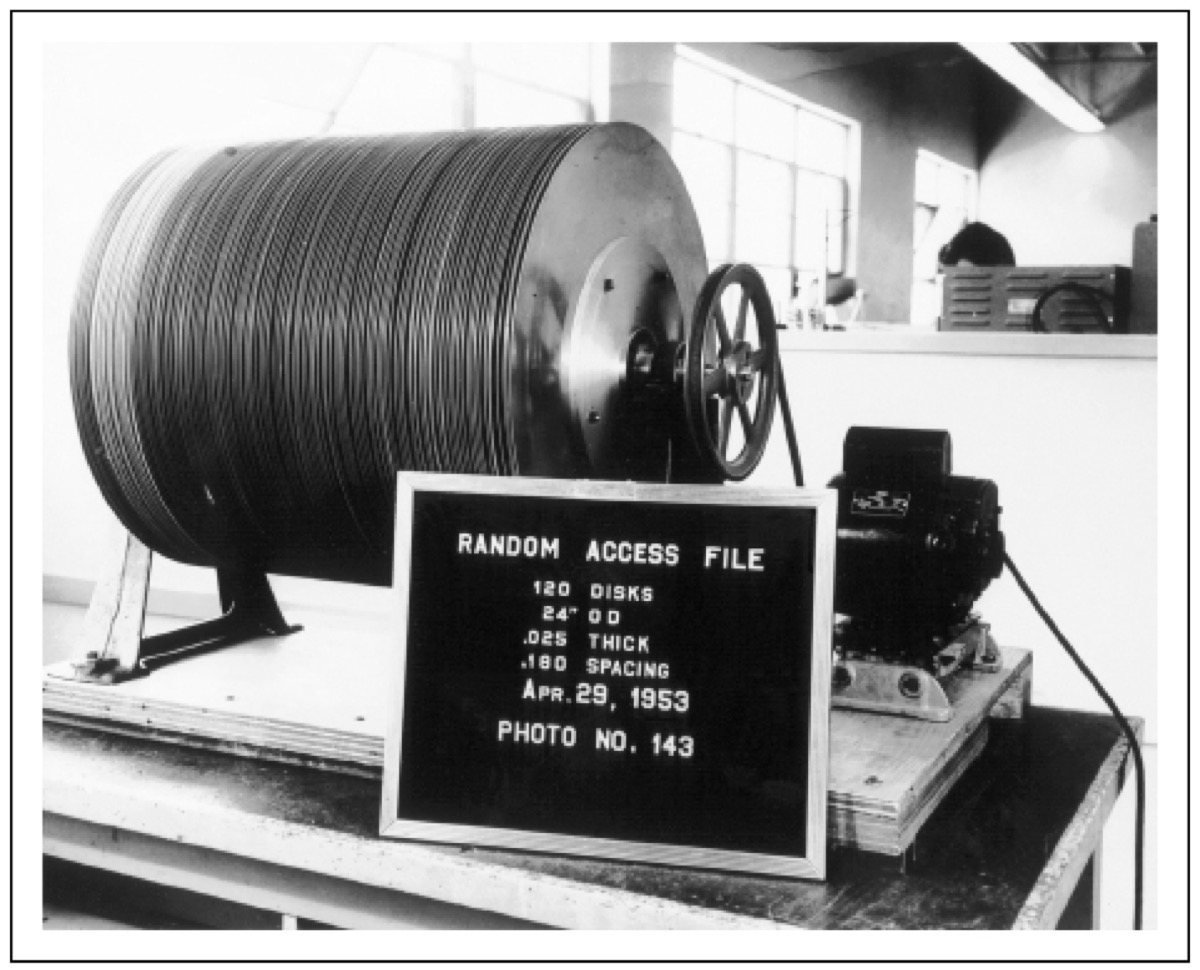
Figure: disk-drive industry studies grounded the theory—patterns repeat in software and AI.
1.1 Sustaining vs disruptive (definitions)
| Sustaining | Disruptive | |
|---|---|---|
| Performance | Improves along mainstream metrics | Weaker on mainstream metrics at launch |
| Customers | Existing high-end / important accounts | New or overserved low-end customers |
| Business model | Fits incumbent P&L and channels | Often lower margin, new channels |
| Who usually wins early | Incumbents | Entrants |
| Long run | Incumbent keeps share until trajectory shifts | Entrant moves up-market |
Reserve “disruptive” for this pattern—not for “big change” or “AI.”
1.2 Performance trajectories and overshoot
Customer needs improve slowly; technology often improves faster. Incumbents overshoot what mainstream customers need, opening space for “good enough” alternatives trading absolute performance for simplicity, price or convenience.
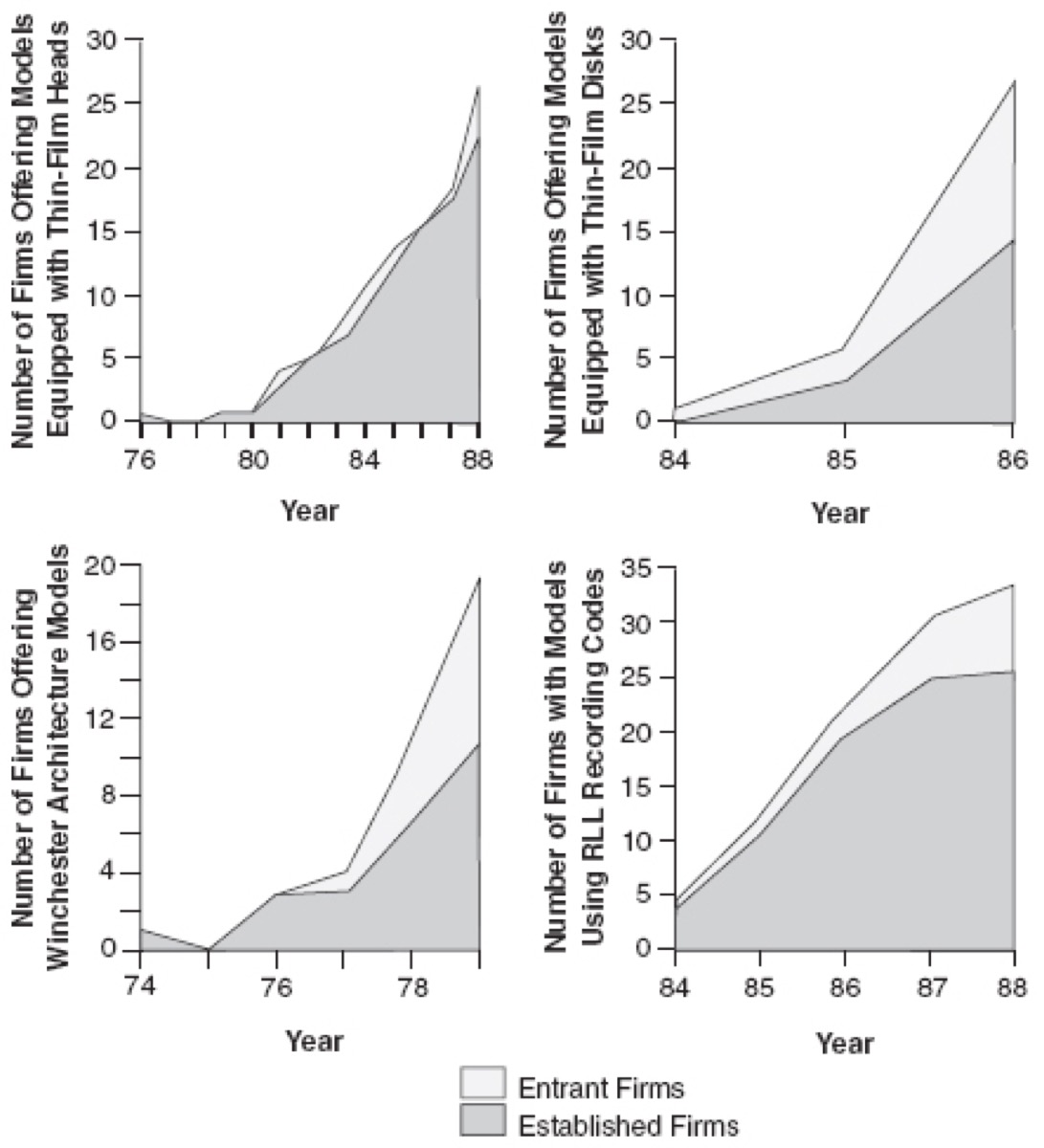
Figure: established firms often lead on sustaining technologies; disruption enters elsewhere.
1.3 Why capable managers still fail
- Resource dependence — capital and talent flow to projects that please today’s powerful customers.
- Value networks — cost structure, suppliers, channels and metrics make some opportunities “unattractive.”
- Up-market migration — margins improve serving demanding customers; low-end looks like distraction.
- Market research bias — you cannot size a non-existent market with mainstream surveys.
1.4 Dilemma chapter map (Part I — why great companies fail)
| Chapter theme | Practitioner takeaway |
|---|---|
| Disk drive industry pattern | Disruption is empirical, not lore |
| Value networks | Opportunities evaluated inside network economics |
| Excavator industry | Mechanical → hydraulic disruption parallel |
| “What goes up, can’t go down” | Up-market trap is structural |
Enterprise checklist
- Are we improving a metric our best customers already overshoot?
- Is a simpler/cheaper alternative gaining foothold elsewhere?
- Would our P&L reject the disruptor’s economics?
- Are we measuring the new opportunity with old value-network metrics?
2. Dilemma — Part II: managing disruptive technological change
2.1 Give disruption to the right organisation
Assign disruptive technologies to units whose customers need them—not to divisions serving mainstream accounts.
2.2 Match organisation size to market size
Disruptive markets start small; large companies dismiss them. Small teams, small markets—then expand.
2.3 Discover emerging markets
Emerging markets are discovered, not forecast with precision. Probe and learn.
2.4 Capabilities and disabilities
Organisations have processes and values that are capabilities in one context and disabilities in another.
2.5 Product life cycle and performance provided
As products mature, overshoot accelerates. Timing of entry matters.
2.6 Case study synthesis
Christensen walks integrated examples—use them as templates for memo structure, not as trivia.
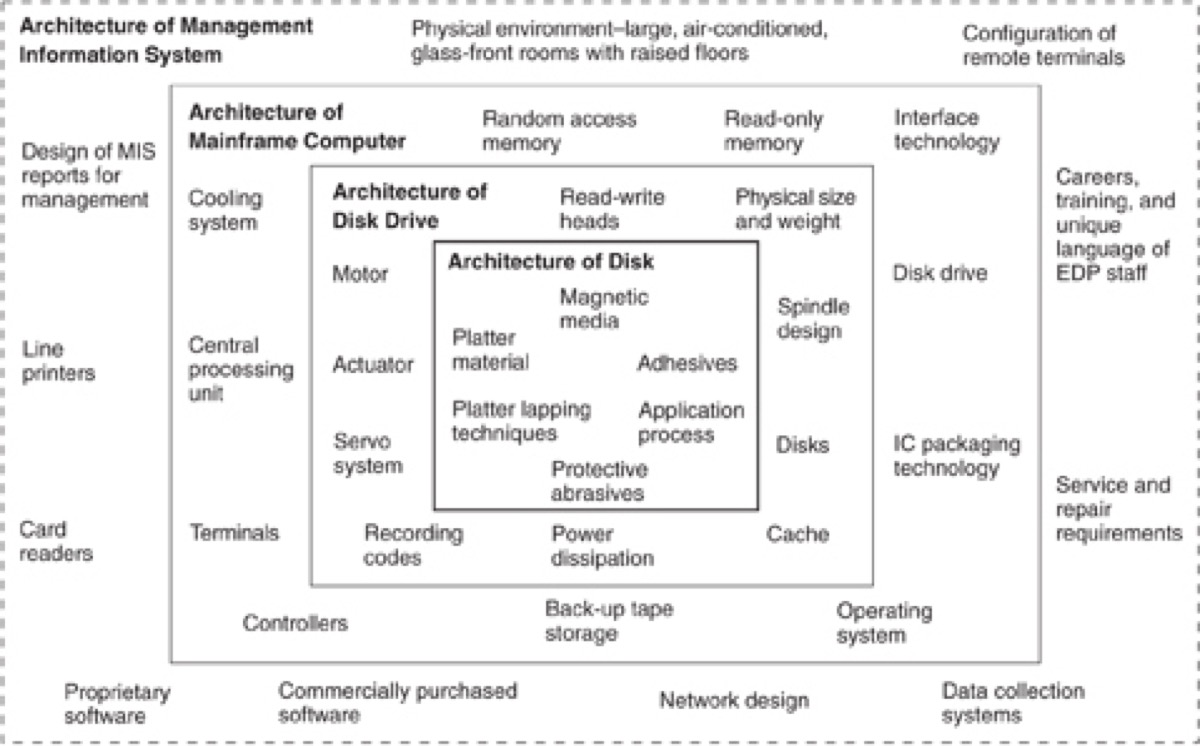
Design options
| Approach | When it helps | Failure mode |
|---|---|---|
| Separate unit / spin-in | Economics conflict with core | Starved or reabsorbed too early |
| Autonomous KPIs | Partial conflict | Shadow KPIs dominate |
| Partner / acquire | Capability gap | Integration destroys model |
3. The Innovator’s Solution — how to grow
3.1 The growth imperative
Public companies need growth; core markets saturate. New growth engines must be built deliberately—not hoped from R&D labs alone.
3.2 Beat powerful competitors
Compete on different terms—do not attack incumbents’ strongest customers first with sustaining feature wars.
3.3 Jobs to be done (JTBD)
Customers don’t buy products; they hire them to make progress in a circumstance.
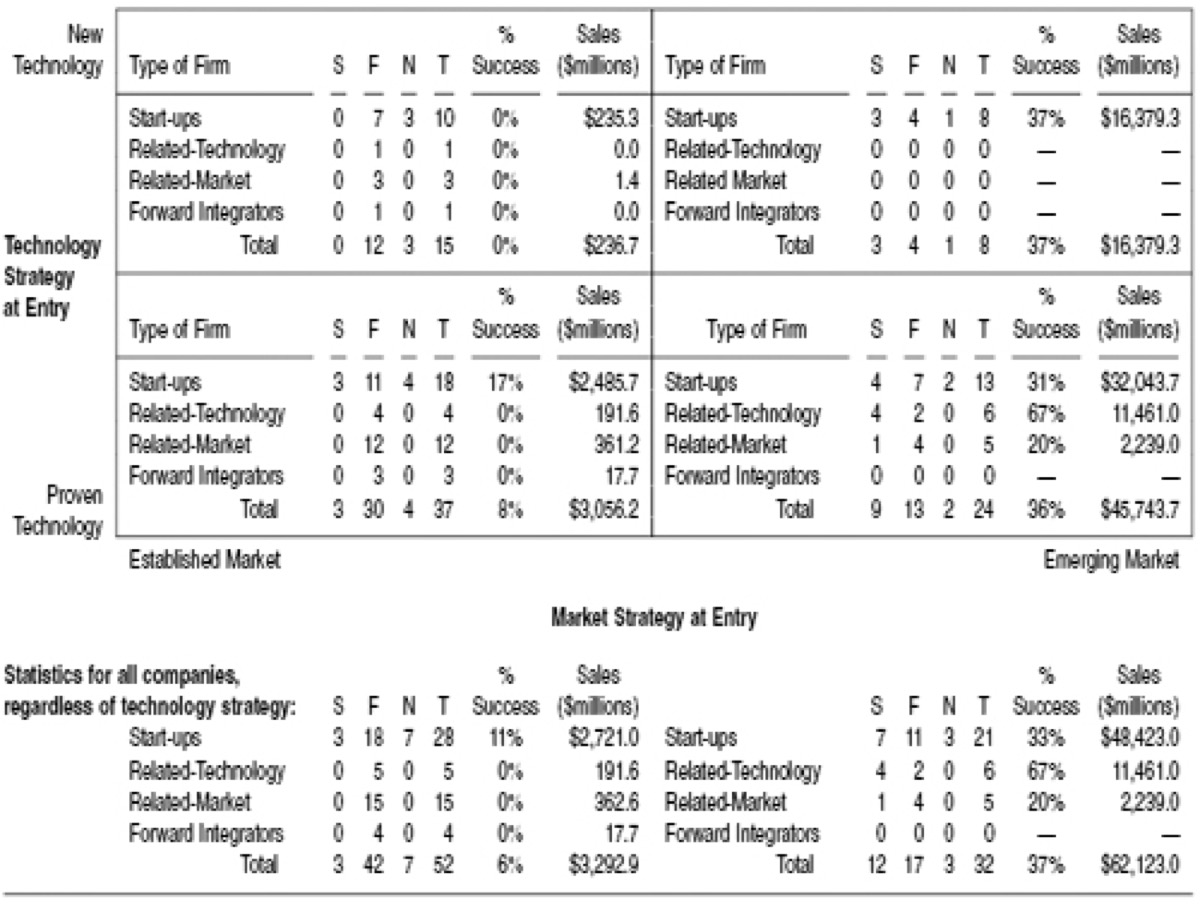
Job statement pattern: When ___ , I want to ___ , so I can ___ .
| Bad segmentation | JTBD segmentation |
|---|---|
| “25–40 females” | “When commute is long, I want to feel productive, so I can arrive less stressed” |
| “Enterprise banking” | “When audit asks for model lineage, I want defensible evidence, so I can avoid project freeze” |
3.4 Best customers for your product
Not “best customers in industry”—best for the offer you can deliver now (links to Disciplined Entrepreneurship beachhead).
3.5 Scope of the business
What you integrate vs outsource defines cost structure and speed—scope is strategy.
3.6 Avoid commoditization
Move up the stack on modularity curves—or be trapped in price competition.
3.7 Organisation capable of disruptive growth?
Audit processes and values honestly before launching “innovation theatre.”
3.8 Strategy development process
Resource allocation is strategy. Budget meetings reveal true priorities.
3.9 Good money vs bad money
Patient capital for discovery; impatient for scaling—mis-timed money kills disruptors.
3.10 Senior executive role
Leaders protect disruptive units from core antibodies.

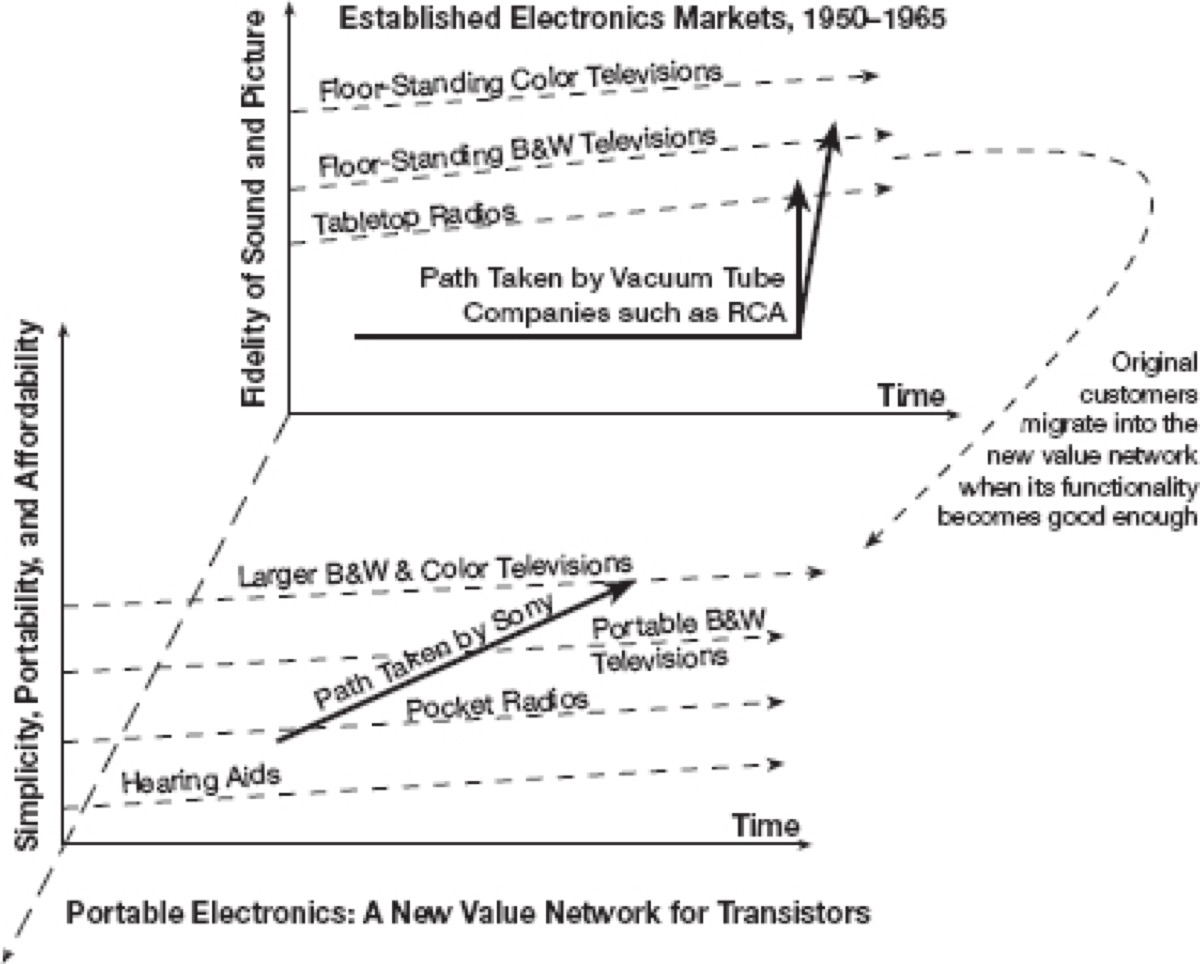
Figure: educational illustration from the Christensen collection on disruptive growth design.
3.11 Paths to disruption
- Low-end disruption — serve overserved customers with cheaper, simpler offers.
- New-market disruption — enable nonconsumers locked out by skill, wealth, access or time.
| Do | Don’t |
|---|---|
| Start where nonconsumption or overservice is real | Attack incumbent’s best customers first with me-too features |
| Be patient for growth where appropriate | Fund disruption only with mainstream hurdle rates |
| Match organisation to opportunity | Force disruptor through unchanged core processes |
4. The Innovator’s DNA — discovery skills
Disruptive insight is behavioural, not only structural. Innovators practise:
| Discovery skill | Practice |
|---|---|
| Associating | Connect ideas across domains |
| Questioning | Ask why / why not / what if |
| Observing | Watch customers in real context |
| Networking | Seek diverse perspectives |
| Experimenting | Small probes; prototypes as questions |
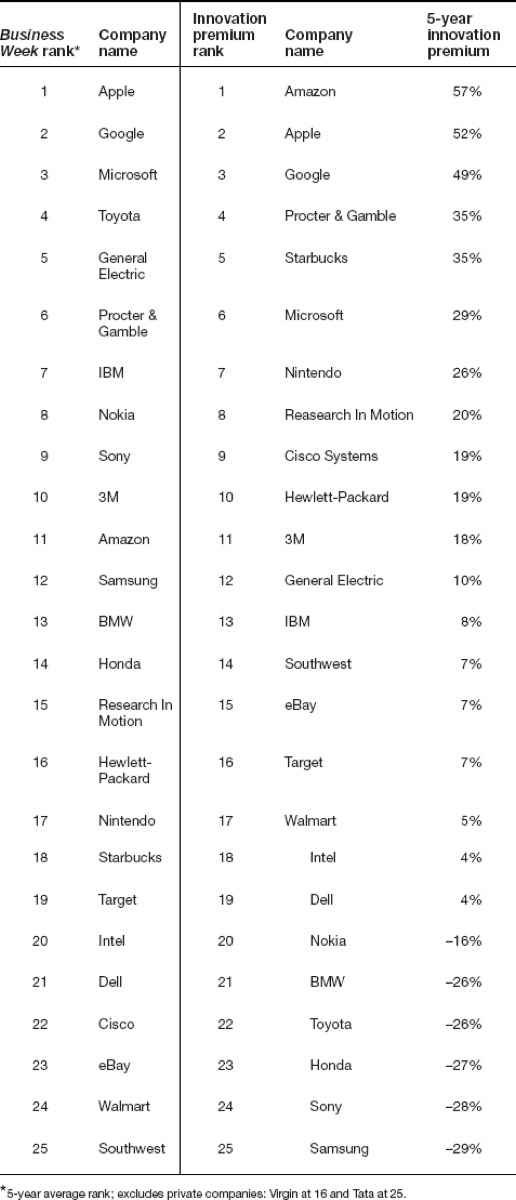
Delivery skills (analysing, planning, implementing) execute—but discovery skills generate non-obvious opportunities.
4.1 DNA of innovative companies and teams
Organisations can systematise discovery: talent mix, incentives for experiments, leadership tolerance for prudent failure.
4.2 Putting DNA into practice
Christensen gives industry vignettes (e.g. Apple, Amazon patterns)—extract behaviours, not hero worship.
Training plan
| Week | Skill | Activity |
|---|---|---|
| 1 | Observing | Contextual client site visit |
| 2 | Questioning | “Why not?” sprint on status quo |
| 3 | Experimenting | Concierge pilot |
| 4 | Associating | Cross-industry pattern transfer |
5. Practitioner diagnostics for AI and consulting
5.1 Is this AI bet sustaining or disruptive?
| Signal | Sustaining AI | Disruptive AI |
|---|---|---|
| Buyer | Existing budget owner wanting higher accuracy | New user who couldn’t afford expertise before |
| Pitch | “Better than your current model/process” | “Good enough + 10× cheaper/faster/accessible” |
| Channel | Existing enterprise sales | Product-led, SMB, embedded, self-serve |
| Margin story | Protects premium | Accepts thinner unit economics initially |
| Metric | Accuracy/F1 on legacy tasks | Access, time-to-first-value, cost per outcome |
Most enterprise GenAI today is sustaining inside existing software budgets—honest diagnosis prevents wrong org design.
5.2 Pursuit narrative template
- Job to be done (circumstance)
- Why mainstream solutions overshoot or exclude
- “Good enough” wedge
- Improvement trajectory that threatens the core later
- Org design that protects economics
Pair with Obviously Awesome for category frame and 7 Powers for moat timing.
5.3 Consulting engagement modes
| Client ask | Christensen lens |
|---|---|
| “We need an AI strategy” | Sustaining vs disruptive portfolio |
| “Why did we lose to a startup?” | Value network + overshoot |
| “Build vs buy” | Capabilities vs disabilities |
| “New product line” | JTBD + beachhead |
6. Negative cases (expanded)
| Failure | Symptom | Fix |
|---|---|---|
| Disruption label inflation | Every feature “disruptive” | Use taxonomy |
| Ignoring sustaining innovation | Profit engine starved | Portfolio balance |
| Separate unit, core KPIs | Unit dies quietly | Autonomous metrics |
| Jobs interviews = preferences | False JTBD | Observe struggles + workarounds |
| Acqui-kill | Buy startup, integrate into core | Protect value network |
| Survey-only discovery | Nonconsumers invisible | Ethnography + experiments |
7. Integration with other MBA canon
| Book | Christensen pairing |
|---|---|
| 7 Powers | Power built after disruptive window |
| Good Strategy Bad Strategy | Kernel + honest diagnosis |
| Disciplined Entrepreneurship | Beachhead = initial disruptive foothold |
| The Goal | Scale when constraint moves |
8. Historical case patterns (synthesis)
Christensen’s industries recur in modern strategy decks—extract patterns, not anecdotes:
| Industry (book) | Disruptive entry | Incumbent response | Outcome pattern | | --- | --- | --- | | Disk drives | Smaller form factor | Ignore small margin | Entrant moves up | | Excavators | Hydraulic vs cable | Up-market focus | Disruptor takes mid-market | | Steel minimills | Low-end rebar | Retreat up-market | Minimills climb | | Software parallels | SaaS vs on-prem | Feature parity race | Often sustaining until bundle breaks |
AI parallel: Small models / embedded copilots on workflows may follow low-end paths; frontier model races are often sustaining among hyperscalers.
9. Resource allocation as strategy
The budget meeting is the strategy document:
| Allocation signal | What it means |
|---|---|
| 90% to core account features | Sustaining path locked |
| No funded nonconsumer experiments | New-market blindness |
| Innovation lab without P&L separation | Antibodies will kill |
| M&A integration into core unit | Acqui-kill risk |
Consulting role: Map client R&D and product spend to sustaining vs disruptive hypotheses—executives often believe they are “doing both” when allocation says otherwise.
10. Jobs-to-be-done interview discipline
| Do | Don't |
|---|---|
| Interview in context of last purchase | Ask hypothetical WTP |
| Map timeline of struggle | Accept feature wish lists |
| Note workarounds (duct tape) | Only talk to happy users |
| Capture social/emotional job | Stop at functional job |
Example job: “When audit requests model lineage, I want defensible evidence in hours not weeks, so I can avoid freezing the AI rollout.”
11. Capstone — one-page disruption memo
- Sustaining metrics we currently optimise
- Overshoot evidence (where good enough suffices)
- Nonconsumers or overserved segment
- Job to be done statement
- Disruptive wedge (simpler / cheaper / accessible)
- Value-network conflicts with the core
- Org design choice
- Discovery-skill experiments this quarter
- Good money / bad money timing for investment
12. Innovator’s Dilemma — chapter reference (Part I & II)
| Ch. | Title (paraphrased) | Practitioner use |
|---|---|---|
| 1 | Great firms fail — disk drives | Pattern library for diligence |
| 2 | Value networks | Why P&L rejects “good ideas” |
| 3 | Excavator disruption | Mechanical → hydraulic parallel |
| 4 | What goes up, can’t go down | Up-market trap warning |
| 5 | Assign disruption to right org | Spin-in vs core |
| 6 | Org size vs market size | Small teams for small markets |
| 7 | Discover emerging markets | Probe don’t forecast |
| 8 | Capabilities vs disabilities | Process/values audit |
| 9 | Performance vs demand | Overshoot timing |
| 10 | Case study | Integrated memo template |
| 11 | Dilemmas summary | Board one-pager |
13. Innovator’s Solution — chapter reference
| Ch. | Theme | Output artefact |
|---|---|---|
| 1 | Growth imperative | Why core isn’t enough |
| 2 | Beat powerful competitors | Different terms of competition |
| 3 | What customers want to buy | JTBD not demographics |
| 4 | Best customers | Beachhead alignment |
| 5 | Scope of business | Build vs partner |
| 6 | Avoid commoditization | Modularity strategy |
| 7 | Org capable of disruption? | Honest audit |
| 8 | Strategy development process | Budget = strategy |
| 9 | Good vs bad money | Capital patience |
| 10 | Senior executive role | Protect disruptive unit |
14. Innovator’s DNA — discovery skills deep dive
| Skill | Weekly practice | AI/consulting example |
|---|---|---|
| Associating | Cross-read two unrelated industries | Apply TOC from manufacturing to MLOps |
| Questioning | “Why not?” in steering | Challenge “we must fine-tune largest model” |
| Observing | Client floor visit | Watch agents bypass official tool |
| Networking | Talk to non-usual suspects | Compliance officer + frontline user |
| Experimenting | Concierge pilot | Manual “wizard of oz” before build |
| Delivery skill | Balance |
|---|---|
| Analysing | Don’t kill experiments too early |
| Planning | Don’t plan away discovery |
| Implementing | Don’t scale before JTBD validated |
15. Sustaining vs disruptive portfolio matrix
| Portfolio bucket | Budget share (illustrative) | Governance |
|---|---|---|
| Core sustaining | Majority | Core KPIs |
| Adjacent sustaining | Moderate | Product line P&L |
| Low-end disruptive | Small, protected | Separate unit |
| New-market disruptive | Small, protected | Discovery metrics |
Negative case: Labeling entire AI programme “disruptive” while funding only feature parity with incumbents.
16. AI industry diagnostic (2020s pattern)
| Offer | Likely classification | Notes |
|---|---|---|
| Copilot in existing SaaS | Sustaining | Same buyer, better workflow |
| Self-serve SMB tool new buyers | New-market disruptive | Nonconsumers enabled |
| Cheaper support automation | Low-end disruptive | Overserved on human touch |
| Frontier model API race | Sustaining among hyperscalers | Performance trajectory fight |
Honest classification drives org design and pricing, not press releases.
17. Consulting deliverable — disruption workshop (1 day)
| Block | Activity | Output |
|---|---|---|
| AM-1 | Map sustaining metrics client optimises | Whiteboard |
| AM-2 | Overshoot + nonconsumer scan | Segment list |
| PM-1 | JTBD interviews playback | Job statements |
| PM-2 | Org + money design | One-page memo (Section 11) |
Pair with 7 Powers for long-run moat after foothold.
18. Negative cases compendium
| Case | Error | Cost |
|---|---|---|
| Kodak narrative oversimplified | Ignore sustaining cash cow management | Wrong lesson extracted |
| Calling Uber “disruptive” without precision | Category confusion | Bad strategy copy |
| Innovation theater lab | No P&L separation | Budget cut first |
| JTBD as buzzword | No circumstance research | Fake empathy |
| Acquire startup, integrate sales force | Value network destroyed | Acqui-kill |
19. Pairing Christensen with 7 Powers and Rumelt
| Framework | Question Christensen answers | Question partner answers |
|---|---|---|
| Christensen | Sustaining or disruptive? Which job? | — |
| 7 Powers | — | What Benefit × Barrier after foothold? |
| Good Strategy Bad Strategy | — | What is the kernel/coherent action? |
Sequence: Christensen diagnosis → Rumelt kernel → 7 Powers moat design over time.
20. Low-end vs new-market — comparison table
| Low-end disruption | New-market disruption | |
|---|---|---|
| Target | Overserved on mainstream metrics | Nonconsumers excluded today |
| Entry offer | Simpler, cheaper, good enough | Enables new consumption |
| Incumbent reaction | Retreat up-market | Often ignores “non-market” |
| AI example | Automate Tier-1 overflow cheaply | Self-serve analytics for SMEs without data teams |
| Metric trap | Incumbent margin on high end | “Market size” surveys show zero |
21. Discovery skill 90-day team programme
| Month | Skill emphasis | Deliverable |
|---|---|---|
| 1 | Observing + questioning | 6 contextual client visits |
| 2 | Experimenting | 3 concierge pilots |
| 3 | Associating + networking | Cross-industry pattern memo |
Measure experiments run, not slides produced.
22. Board FAQ — disruptive innovation
| FAQ | Short answer |
|---|---|
| “Are we disruptive?” | Only if trajectory + economics + new/overserved segment align |
| “Why not copy the startup?” | Value network makes it rational not to |
| “How big is the market?” | Emerging markets are discovered by probing |
| “Should we fund the lab?” | Only with separate KPIs and customer |
| “Is AI automatically disruptive?” | Usually sustaining inside existing software budgets |
23. Capstone — executive briefing one-pager
Use after Sections 5–6 diagnostics:
- Classification: sustaining / low-end / new-market (one line each for product lines)
- Job to be done (circumstance statement)
- Value network conflict (why core unit struggles)
- Org design (separate unit Y/N + KPIs)
- Discovery experiments (next 90 days)
- Capital type (good money vs bad money)
- Decision requested (fund / kill / pivot)
Discussion
Comments
Share feedback or questions about this page. No account required.
Loading comments…